Water Safety – Skills for Life
Shop Basket 0 Members Area Contact Us

Water Safety Tips

Essential guides to help you stay water-aware and keep your family safe.

The Water Safety Code

The Water Safety Code

We don't think twice about teaching our children to Stop, Look and Listen before crossing the road. This simple message is reinforced year after year until they develop the knowledge, confidence, and judgement to cross roads safely on their own. The Water Safety Code gives us the same opportunity to build lifelong safety habits around water. By teaching children to: 1) STOP AND THINK: SPOT THE DANGERS 2) STAY TOGETHER, STAY CLOSE 3) CALL 999 IN AN EMERGENCY AND FLOAT TO LIVE IF IN THE WATER we help them make better decisions, recognise potential dangers, and know what to do if something goes wrong. Reinforcing these simple messages from an early age can help keep children (and adults) safe around rivers, lochs, dams, beaches, and other open water, giving them the confidence to enjoy these environments safely throughout their lives.
Coastal Safety

Coastal Safety

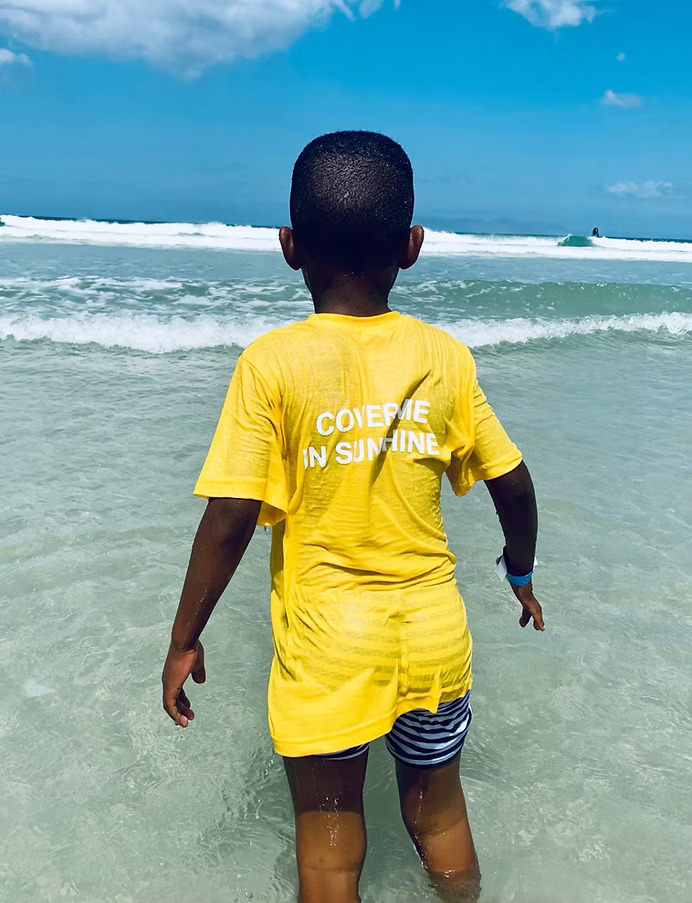
The coast is a fantastic place for children and families to explore, learn, and create memories, but it is also an environment that can change quickly and present unexpected risks. Coastal safety education helps children understand the importance of recognising hazards, making safe choices, and knowing what to do in an emergency. By learning about tides, currents, weather conditions, safe swimming areas, and the importance of staying together, children build the confidence and decision-making skills they need to enjoy the coast responsibly. Reinforcing these messages from an early age helps create lifelong habits, keeping children safer around beaches, cliffs, rocks, and open water while allowing them to enjoy the coastline with greater understanding and respect.
Cold Water Shock

Cold Water Shock

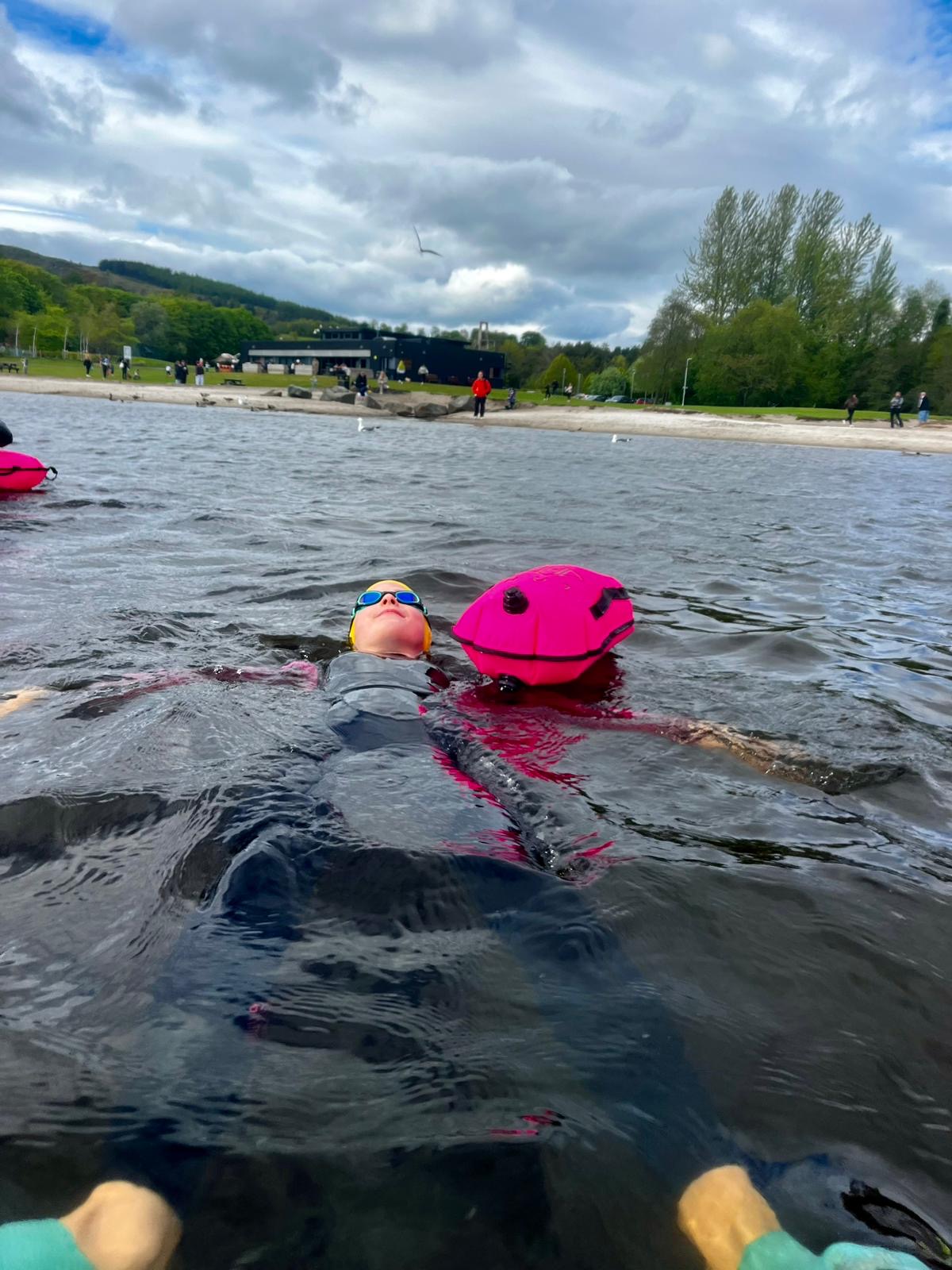
Cold water shock is a natural reaction that happens when the body is suddenly immersed in cold water. It can affect anyone, regardless of swimming ability, and can cause an involuntary gasp, rapid breathing, panic, and a loss of control, making it difficult to think clearly or swim effectively. Understanding cold water shock is an important part of staying safe around water. Teaching children and adults to Stop and Think, avoid entering unfamiliar water, to always enter very slowly to allow for acclimatisation, and know how to react if they fall in can make a life-saving difference. If you find yourself in cold water, remember to Float to Live: stay calm, lean back with ears submerged, keep your airway clear, and allow your breathing to return to normal before trying to swim to safety. By increasing awareness of cold water shock and practising safe behaviours, we can help everyone make better decisions around open water.

Activity Safety

Activity Safety

Whether it's a day out on the paddleboard, fishing with friends, or an open water swim, know how to prepare and keep safe during your chosen activity. Even the strongest swimmers can get into difficulty in the wrong conditions, by being prepared we can ensure we always come home safely. The collaborators at Water Safety Scotland have created some fantastic resources to help keep you and your loved ones safe.
Weather Safety

Weather Safety

In an ever changing natural world, understanding safety within a number of weather events is essential. Familiarise yourself with Water Safety Scotland's Weather Advice so you are always prepared, no matter the weather!

Our Supporters

"As sunshine is to flowers, our supporters are to us..."

Supporter Logo
Supporter Logo
Supporter Logo
Supporter Logo
Supporter Logo
Supporter Logo
Supporter Logo
Supporter Logo
Supporter Logo
Supporter Logo
Supporter Logo
Sign up for our newsletter